
Adolescence (2025)
Network: Netflix
No. of episodes: 4
Written by: Jack Thorne; Stephen Graham
Directed by: Philip Barantini
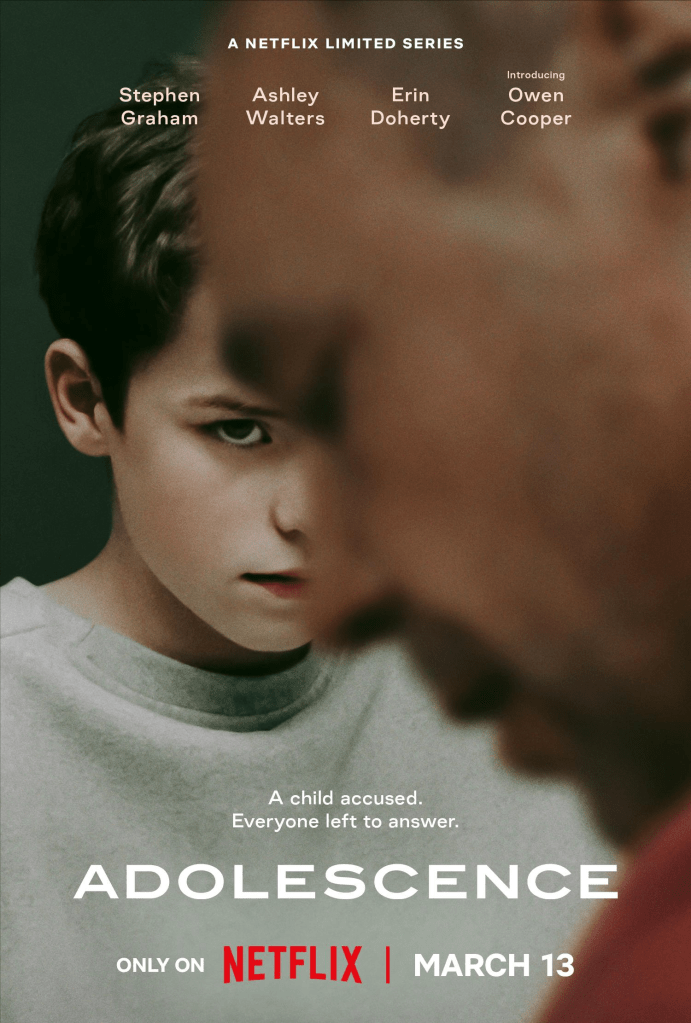
I didn’t expect Adolescence (released on March 13, 2025) to hit me this hard the way it did. I clicked on the thumbnail thinking it was a drama about a crime, but to me, it’s more about everything that happened before—all the things no one talks about, especially inside families. The tension. The silence. The missed chances.
Episode 3 is, in my opinion, the most devastating of the series. I wasn’t surprised to see it rated the highest on IMDb. There’s nothing flashy about it—no plot twists, no background score to push your emotions. It’s just slow, raw, and heavy. And that slowness? It’s intentional. The kind that forces you to keep your eyes on it. I found myself watching the dad’s clenched jaw, the mom’s routine movements, the way both parents tried so hard to hold it together by saying nothing at all. It was like they thought if they stayed quiet enough, the problems might disappear. But of course, they didn’t. Jamie stayed locked in his room. And they all stayed locked in themselves.
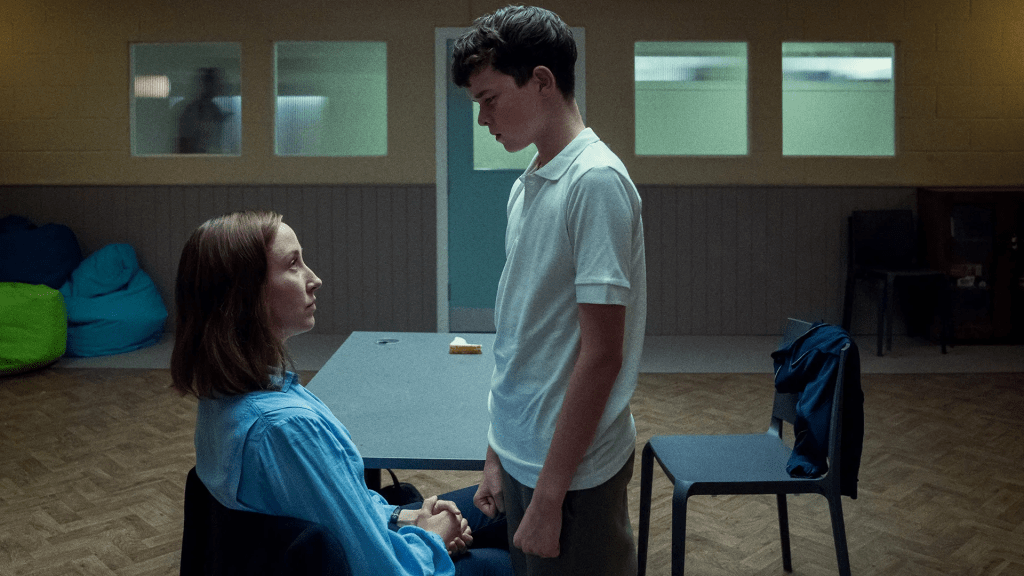
What made the episode even more intense for me was the way it was filmed. Long, uncut shots. No editing to distract you. The camera just lingers around, movement to movement, character to character, as if daring you to flinch or look away. It traps you in the moment. I think that’s what makes it feel real—like you’re right there, unable to escape the tension either.
The more I watched, the more I realised this wasn’t just a made-up story—it felt uncomfortably real. This could be any home, anywhere. In fact, it’s become part of a national conversation in the UK. The government is now showing Adolescence in secondary schools to open up discussions around toxic masculinity, online influence, and how boys are being shaped by what they consume—and what they’re not allowed to feel. That decision says a lot about how serious—and real—this issue is.
And yet, the show never gives you a clear answer. There’s no hero. No redemption arc. No moral summary at the end. Just unresolved emotion. Just behavior. It’s uncomfortable, but honest. And maybe that’s why it works. You don’t walk away with a message—you walk away with questions. Which, in my opinion, is exactly why people should watch it.
 tammybytaam.com